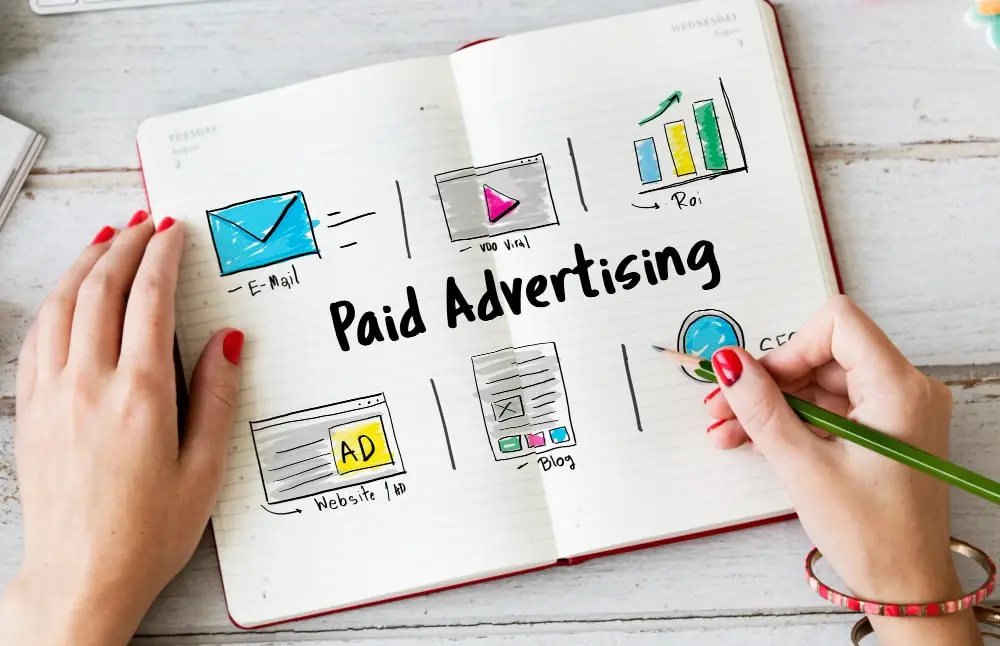
Keeping up? Diving right back into the OmniChannel approach: Now that we’ve covered establishing a rock solid foundation using SEO, we make the move into paid media. But let me explain some sophisticated strategies that work really well.
Google and Meta: The Two Major Ad Platforms
Our two major ad platforms are Google and Meta. Google is search-based (of course), while Meta is great for interruption-based marketing and retargeting.
And even before the ad platforms, we must start with direct response marketing offers. Typically, offers that perform best are simple: request a free consultation or take the depression assessment.
Starting With Meta Campaigns
On Meta (Facebook and Instagram), we’ll start with one campaign objective (to generate leads) and two ad sets: one broad targeting (just location-based around your practice) and one interest-based targeting. Meta provides a ton of different interest groups, so it’s all about test, test, and testing.
Ad Creatives That Work
Next, we move to the ad level. We create 2-4 ads per ad set, each with a different creative (image or video). This is where it’s really important for clients to participate in their success or “be a part of their own rescue.”
Historically, ad creative that performs really well are actually video clips of the clinics. This can include office walkthroughs, testimonials, etc. And it doesn’t need Hollywood production quality. Just send us some raw iPhone video, and we can make magic from it. Invest the time and effort into this, and it will pay MASSIVE dividends.
We’ll run several variations of ad copy and several headlines. Headlines can include: “New Depression Treatment – Covered by Insurance”, or curiosity-leading headlines like “Depressed? Read This!”
What Sets Our Strategy Apart: Versioning
That’s some of the tactical (now go and use it!), but what separates our OmniChannel Strategy is Versioning.
Versioning is where we’ll launch the first campaign and quickly learn lessons:
- Which ad set has the cheapest CTR (click-through rate)?
- Which ad has the lowest CPM (cost to show the ad to 1,000 people)?
We’ll title that campaign Clinic ABC V1. Then we’ll duplicate that campaign with the best performers and title it Clinic ABC V2. Then we’ll repeat that process for as many iterations as possible so that our lead intent and lead cost are in a suitable place.
Applying the Strategy to Google Ads
Google, we use the same sort of strategy. One of the most overlooked aspects of Google is the negative keywords.
For example, a trend we noticed several years ago was that many Google leads were under the impression that services were for a paid clinic trial. What!?
So, in this case scenario, we added “free” as a negative keyword. Now, anyone who was searching for the word “free” was excluded from seeing our ads.
Some other low-hanging fruit items we implement for that magic balance between CPL (cost per lead) and lead intent are the following:
- Verify the Google advertising account
- Advertise from the Business Name
- Upload a photo
- Add site extensions
- Day parting
When you implement these strategies, or engage a company like us to do it for you, your business marketing can start producing new opportunities for you every day.
More intel coming, we’re just warming up!